
OM NEWS
Welcome to our announcements page
You will find news of births, marriages and deaths in the Monkton Community. If you have an announcement to add to this page please email.
Births
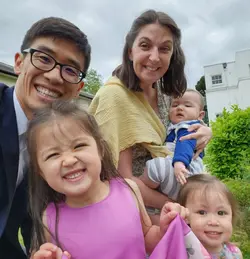
| Jemima Sohn Nee Green OM 2006 |
|
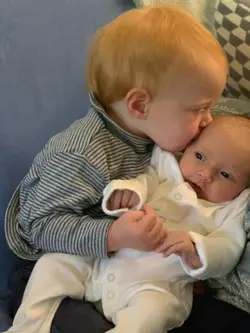
| Hannah Foster, (nee Cheater) OM 2008 |
|
| This is a title row |
| This is a text row |
Marriages & Engagements
| Charmian Monroe OM 2018 & Joshua Broughton |
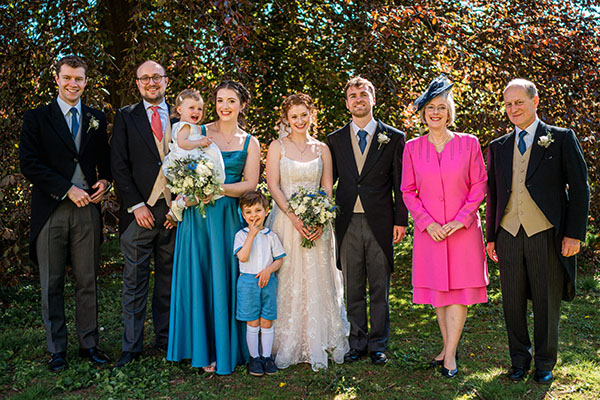 Charmian Monroe married Joshua Broughton on April 26th at St David’s Church, Moreton-in-Marsh. In attendance were: Phyllida Stuart, OM 2015, Audley Monroe, OM 2000, Meg Chalkley, OM 2018, Sarah Denno, OM 2018 and Louise Smallbone, OM 2018. George Bevan, Hon OM played the organ.
|
| Mike Parr , OM 1974 to Jackie Riley |
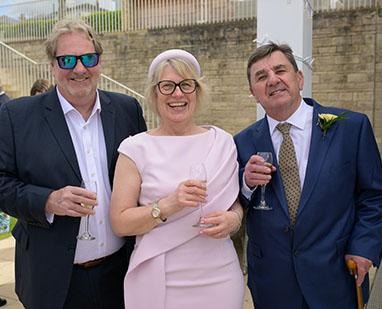 Mike Parr married Jackie Riley. The reception was at the Royal Squadron Yacht Club Cowes IOW. OM Neil Clifford OM 76 was among the guests. |
| Amy Case & George Purves OM 2005 |
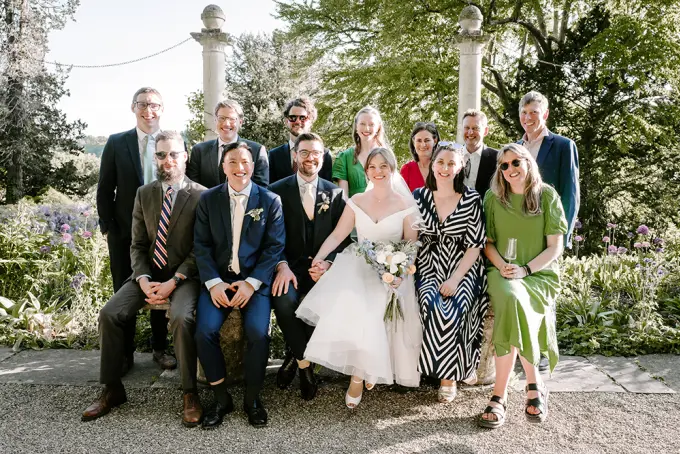 Amy and I met while teaching at Monkton in 2018, and we (finally) got married at St Mary's, Westwood, on Saturday 10th May 2025. Of the attendees, 15 were Monkton Alumni (from several 'generations'), including the best man (Owen Fung '06), and 20 were current/former Monkton staff (many of whom had to get special permission to leave their Saturday school duties to attend)! The weather was stunning and we felt so lucky to have shared our day surrounded by all our friends and family. The photo below, featuring most of the alumni in attendance, was taken during our evening party at the beautiful Iford Manor. Back row (from left to right): Jonathan Blair, Michael Cowell, Simon Stephens, Camilla Robinson, Penny Sertin, James Sertin, James Goodman |
Obituaries
| Tim Reynolds, OM 1954 |
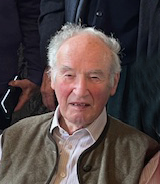 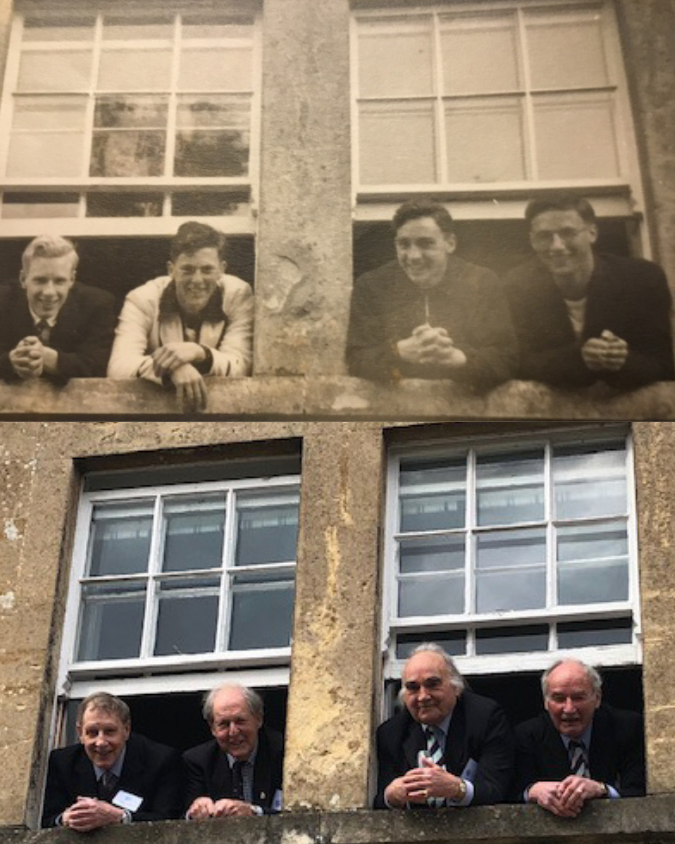 Early life was turbulent for Tim. The war years led to many house moves, and family life was challenging from time to time.
|
| Peter Macdonald Goodall, OM 1949 |
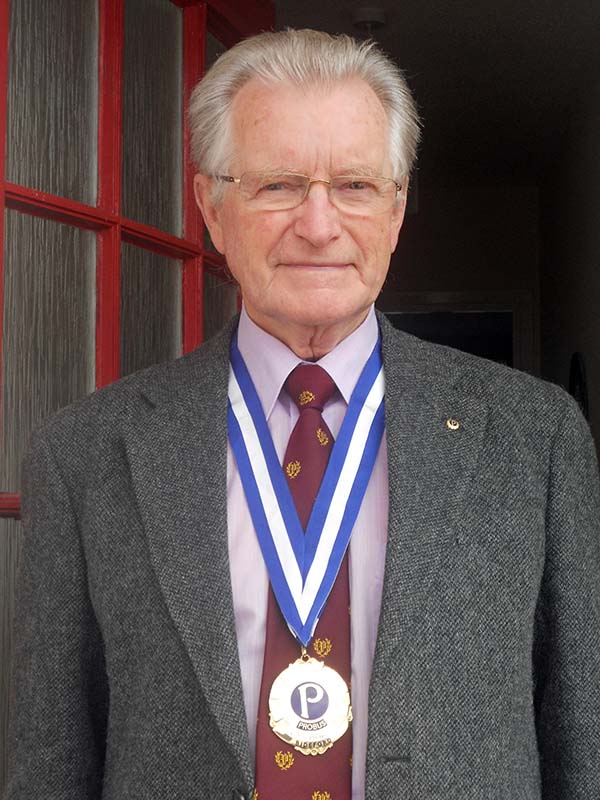 It is with deep sadness that I announce the passing of my father Reverend Peter Macdonald Goodall, OM 1949 on August 5th 2026. He was an absolute inspiration in the way he lived his life as Pastor to thousands, providing comfort and laughter in abundance. He was an adventurer and traveller, having two spells as a missionary with the Baptist Missionary Society in Cinnamon Gardens, Colombo, Sri Lanka. He had an interest in everyone and everything but as he slowed down in his mid 90s he focussed on being my mother’s carer. Our family's grief is deep for this man of small stature but huge presence. We are happy though, that he is now in Heaven. In his last days he requested that everyone smiled and we hope that those at Monkton who knew him (and those who didn’t) will smile too. A. Marcus Goodall (OM 1976) Peter was born in Bournemouth in 1931. After a grammar school education, he studied at Bristol Baptist College where he attained the University of London Diploma of Theology. He and Margaret were married in June 1958. Peter served in pastorates at Stocksfield Baptist Church, Marston Green Free Church and Rickmansworth Baptist Church. They were accepted for overseas with BMS in November 1978 and sailed to Sri Lanka in May 1979. They were based in Colombo and after language training where they studied Sinhala, Peter was the minister at Cinnamon Gardens Baptist Church until 1987 when they returned to the UK for end of service. After a few years in ministry at Ampthill Baptist Church they were re-appointed to work with BMS in Sri Lanka and returned to Colombo in May 1995. They spent four more years in Colombo where Peter continued as minister at Cinnamon Gardens Baptist Church before returning to the UK in December 1998. Following a few months of home assignment they retired in March 1999 Once back in the UK Peter and Margaret settled in Bideford where they became involved with Bideford Baptist Church and then St Mary’s Church. Peter was often invited to preach at local churches. He also enjoyed playing bass trombone in Bideford Town Band and took part in West of England Brass Bands Contests.
Peter and Margaret celebrated their Diamond Wedding on 28 June 2018. They have been able to keep in touch with many friends, both in Cinnamon Gardens Baptist Church, Colombo and Ampthill Baptist Church in Bedfordshire. (Baptist Missionary Society) A Celebration of Life will take place on Thursday 27th August at 2pm in St Mary's Church, Bridge Street, Bideford, EX39 2BP. Light refreshments in the church after the service. Instead of flowers, please consider a donation to Project Mustard Seed for st Mary's Church https:stmaryschurchbidefored.org/donate |
| Richard Meredith, Hon OM |
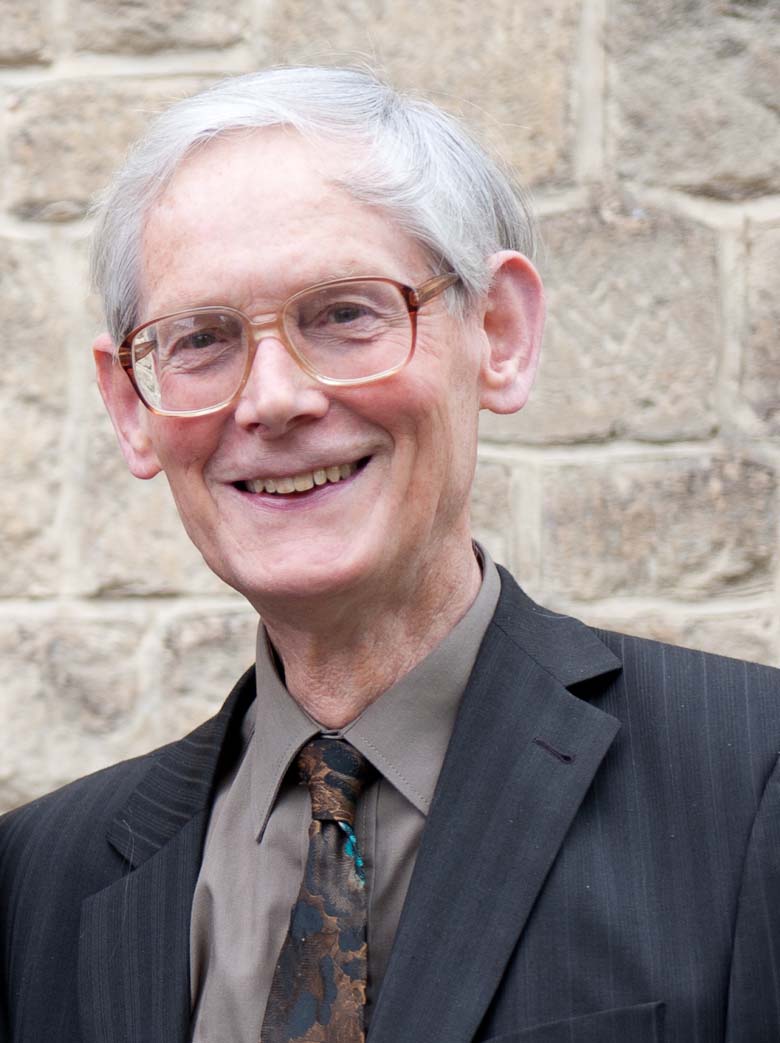 Richard Meredith passed away on the 3rd August 2026 Richard Meredith was appointed Headmaster of Monkton in December 1977 after a careful selection process. The Governors unanimously chose an academically distinguished and experienced schoolmaster. Aged 42, he and his wife Hazel had two young children. For the previous eight years he had been Headmaster of Giggleswick School, Yorkshire, having earlier served as Housemaster and Modern Languages teacher at The King’s School, Canterbury. He had studied Modern Languages at Jesus College, Cambridge, and had himself been educated at Stowe. A lifelong Anglican and the son of a distinguished clergyman, Richard combined intellectual ability with deep Christian conviction. A licensed Lay Reader from his early twenties, he was an accomplished preacher whose evangelical faith was firmly rooted in Scripture while remaining open to intellectual enquiry. He and Hazel, a French teacher, shared a love of music, hill walking, and France. Tall, energetic and enthusiastic, Richard quickly impressed staff with his warmth, humour and humility. Although intellectually gifted, he was modest, diplomatic and an attentive listener. In paying tribute when Richard retired, the Chairman of Governors, Rear Admiral McClune, praised his ‘sharpness of mind’ and his ‘unfailing courtesy, commitment and graciousness.’ Staff also discovered his legendary handwriting and unconventional typing, which prompted one of Monkton’s favourite anecdotes. After a request for written suggestions had been circulated, Philip Denny quipped: ‘If my typing was as bad as the HM’s I would write, but if I had writing as bad as the HM’s I would type!’ Richard, characteristically, laughed along with everyone else. Like his predecessor, Richard believed wholeheartedly in the School motto, Thy Word is Truth, yet his evangelical convictions were neither narrow nor partisan. He encouraged thoughtful engagement between faith and reason. His headship was almost cut tragically short in 1982. Travelling to a Headmasters’ Conference, the Head of King Edward’s School, Bath, who was driving, apparently died at the wheel, causing the car to crash into a wall. Richard suffered severe internal injuries and survived largely because he had been wearing a seat belt. Prompt treatment at Taunton Hospital, where the Accident and Emergency doctor happened to be the parent of a Monkton pupil, almost certainly saved his life. After surgery and a week’s hospitalisation he was advised to rest for six weeks, although he was determined to return before the end-of-term concert. During his recovery Julian Bewick served as Acting Head. Colleagues later recognised Richard’s leadership during a demanding period. One recalled that he ‘did an incredible job holding the School together’ while maintaining pupil numbers despite the challenges of sustaining Monkton’s distinctive Christian ethos, and while pioneering the development of co-education. Another observed that under Richard, building development accelerated, the curriculum and house system were modernised, business practices became more professional, and Monkton began to look and feel a more contemporary school. At a staff farewell dinner in 1990, Deputy Head Julian Bewick thanked Richard and Hazel for making everyone feel valued, for Richard’s determination to improve the School’s facilities, his success in keeping the School full during difficult years, and his example of hard work and quiet leadership. He also paid tribute to Hazel’s tireless hospitality and support in promoting the School. Richard’s most enduring legacy was the ambitious programme of building development that transformed Monkton. Writing in The Monktonian in 1990, Bill Hanna reflected that Richard would be remembered not for flamboyance or forcefulness but for courage, generosity and faithful leadership. Like his distinguished predecessors, he had upheld the School’s traditions while preparing it for the future. Hanna concluded that history would remember him simply as ‘Richard the Builder.’ Peter LeRoy 06 08 26 |
| Michael and Dawn Cuthbertson, Hon OMs |
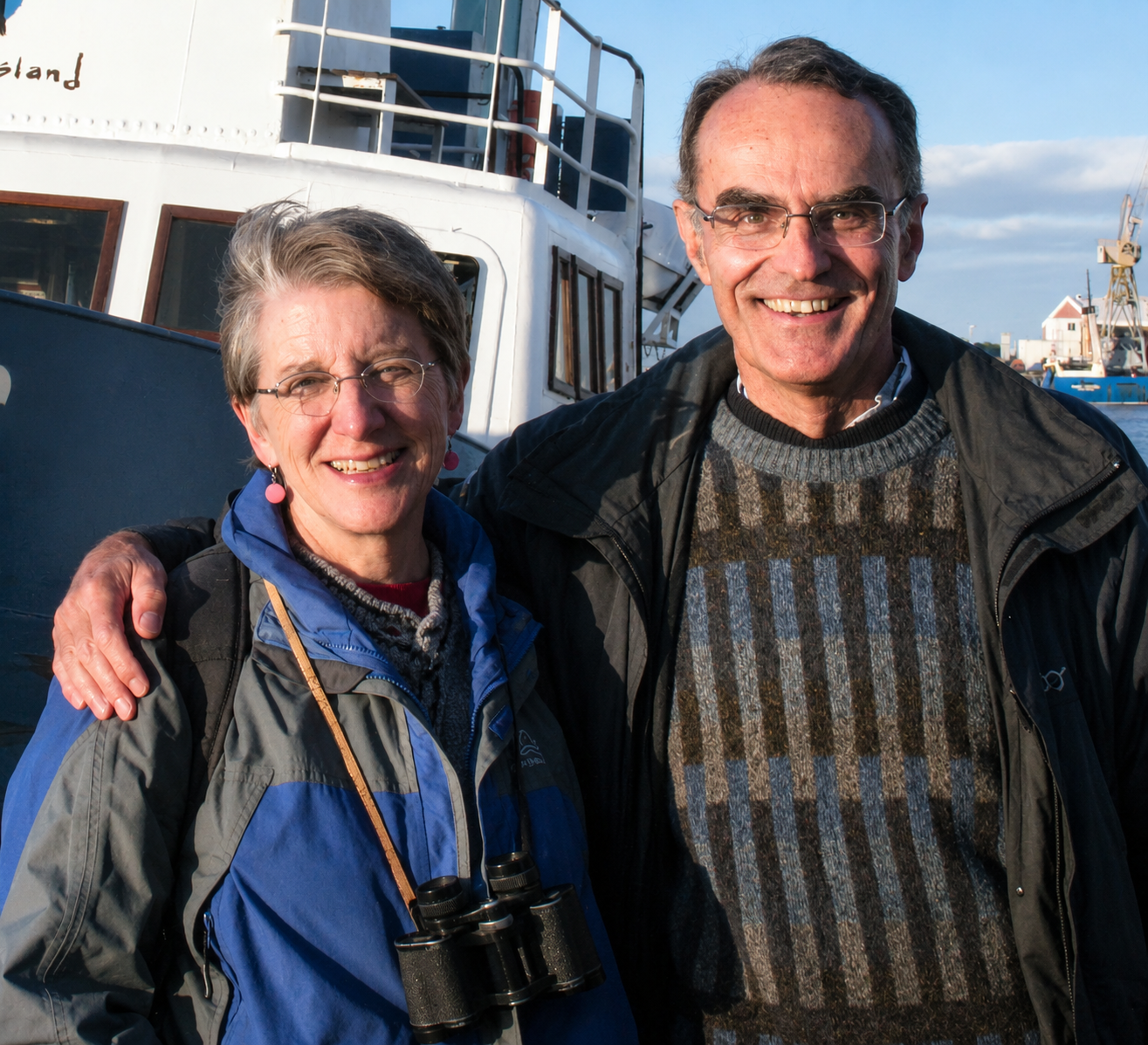 We are very sorry to announce that both Michael and Dawn Cuthbertson passed away recently. A joint service of thanksgiving will take place at St Marys, Longfleet, Poole, BH15 2JD on Friday July 10th at 2.30pm Michael Cuthbertson Michael Cuthbertson was a remarkable man of impressive character, with a scholarly mind, firm self-discipline, certainty of purpose, and an enormous appetite for hard work. Along with those qualities, his interest in and genuine care for individuals and their personal wellbeing, was firmly rooted in a deep and faithful commitment to Jesus Christ, as his Saviour and Lord.
|
| John Clarke, OM 1962 |
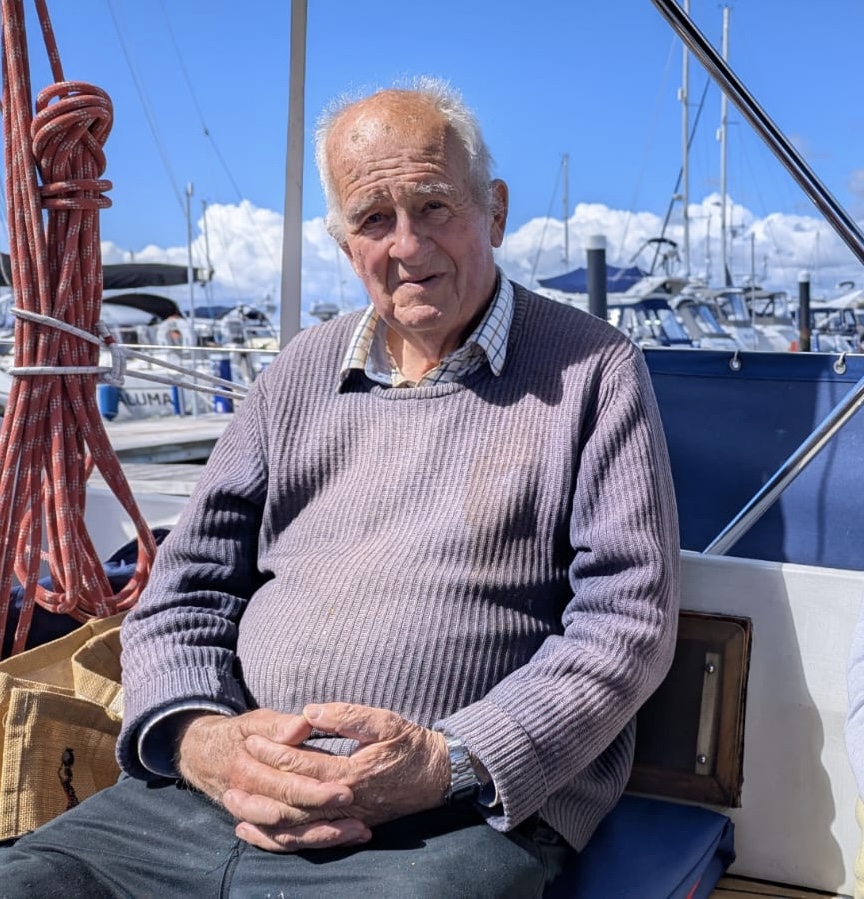 I met John in 1957 in the third form at Monkton Combe School. He came a few weeks late and as both our fathers were in the Navy I was told by my tutor to take him under my wing and show him the ropes. As a result, he became a lifelong friend. He had previously been living with his parents in Gibraltar and went to a prep school in East Grinstead. He was born on the Isle of Wight and after Gibraltar, his parents bought Seamark House on the Duver in St Helens. He had a half-brother Colin, 10 years older from a previous marriage of his mother, Katherine, who was lovely. I used to go and stay with them in the school holidays, and we spent most of our time mucking about in small boats and visiting all the Forts in the Solent - which was strictly forbidden. He had a small dinghy called the Vino Blanco, with a Seagull outboard, which he would also use to take friends to and from Southsea - bear in mind this was only a six-foot dinghy! John had a part-time job in the holidays assisting with the ferry which ran across Bembridge Harbour taking passengers. It was like a small landing craft with a flat bottom and an on/off ramp for running up the sand. We had recently completed our life-saving courses at school and had been told we were honour bound to help anyone in difficulties in the water. On one summer’s day when working on the ferry John saw a boy drowning in the Harbour. John immediately dived in and swam the seven-year-old boy to the shore. Unfortunately, when he dived in, his shorts came off, somewhat embarrassing for a 15-year-old but the story made the front page of the Daily Telegraph, and he went on to win the unexpected prize at school Speech Day. Despite his proficiency with small boats his rowing master wrote in his report that “John rows like a ruptured crab” I thought this was a bit unkind, but John thought it was very funny. I remember also that he had a budgerigar which he had named, Air Vice Marshall Sir William Barnes KCB DFC Bomber Command, known as Bill for short. It used to be allowed to fly around the kitchen, but when I was there it escaped and flew to the top of the tallest tree in the garden. John and I spent the rest of the day trying to entice it down. It came down on its own in the evening and into the cage which we had hung in the tree, so all was well. At School he pursued alternative activities like exploring the caves and tunnels in the hills around the school which had been used by the Ministry of Defence. They were of course out of bounds which didn’t seem to bother John who spent many illicit weekends mapping them. There are a couple of other survivors and lifelong friends from the third form here today, Richard Twining and Dudley Haigh. Richard told me that they went to CCF camp at the end of the last summer term and on leaving they were asked where they lived so they could be issued with a travel warrant for a train ticket to get home. They said they came from the Shetland Isles as they wanted to go there. Major Roberts, our history master declined their request- but they went anyway. A month later, in September 1962 John joined as a Cadet at the Britannia Royal Naval College. At this point, Vice-Admiral John McAnally was going to tell you about John‘s naval career. Unfortunately, he is unable to be here today. He has written a very detailed resumé which I have edited. If anyone would like a copy of the full details then please let me know afterwards. On 16th September 1962 Cadet John Clarke joined some 200 other would be Naval Officers who were marched up the hill to the Britannia Royal Naval College Parade Ground. There were many such tests in all fields and failure meant assignments to do it again until you passed. He was particularly drawn to the many activities on the adjacent river Dart. This covered all of the various sailing, rowing and motor boats. Constant childhood messing about in boats in the Isle of Wight made it all very familiar and easy to master for John. He even took one of the prized Fast Motor Boats right up the Dart and under the venerable 1826 bridge at Totnes. This was not allowed, but John got away with it. The third term at Dartmouth saw John at sea in one of Her Majesty’s Ships for the first time. He and some 50 other Cadets embarked in HMS TORQUAY one of three frigates deploying to North America as the Dartmouth Training Squadron.
John now had to decide which particular area of the Navy he wished to specialise in. He chose Hydrography and underwent basic specialist training at the Hydrographic School near Devonport. Then came his first ship as a complement officer. She was the World War 2 Frigate converted to Survey Vessel HMS DALRYMPLE. The ship then set off for survey work in what was then the Anglo-French cooperative of the New Hebrides now called Vanuatu. DAMPIER based herself at Norsup in Malekula Island the interior of which still had cannibals. DAMPIER next went to Naduri on the north coast of Fiji’s second biggest island. John loved this place. Thought of as paradise by its inhabitants, he made a point of returning there at every opportunity over the next 25 years. 30 plus years later he even reprised wearing the Fijian kilt like garment called a Sulu at his wedding to Sue in New Zealand. South West Pacific surveying completed, the ship went to Singapore where John took a ships diving course acquiring a skill which he was to employ in later life. That August he joined HMS VIDAL as the Navigating Officer. He quickly became First Lieutenant, and was deployed to the Middle East but went via Gibraltar, Freetown, Dakar, St Helena , Simonstown and Mombasa then to her base in Bahrain. The then Trucial Oman States were very undeveloped. Abu Dhabi and Dubai were only connected by a beaten track of sand. John’s survey camp was some 7 miles off this track by the sea in a small port where the survey launches could be anchored. It was therefore perhaps not surprising that in April 1972, as his short service commission approached its end that John decided to leave the Royal Navy. I’m sure that had he chosen to apply for a permanent commission he would have been eagerly accepted. How glad I am to have known John. I’ve enjoyed many happy hours in his company even drinking the “Blush” wine he made when living in Seamark House and latterly with him and Sue. What a great couple. I’m so sorry not to have been able to deliver this tribute in person. After leaving the Navy John did various jobs including labouring on a farm, an articled clerk with a law firm which unsurprisingly only lasted for a few months and then worked for a year in Attrils boatyard in St Helens. In 1973 He joined a company called Star Offshore Services where he became General Manager of their sub-sea maintenance division. This started his journey to recovering the gold from HMS Edinburgh. I remember he rented a flat from the Crown Estates in Regents Park which was very palatial and his neighbour in the flat above was the renowned cellist, Paul Tortelier. John had a full-size grand piano in the flat and he played it for me, playing hymns, he had taught himself on a harmonium on board one of his ships, so he could play for the Sunday services. An unknown talent. On another of my trips to see John at Seamark House, he had acquired a Tornado catamaran. It was the time of the Fleet review in 1977. There was something like 60+ warships anchored in two lines down the Solent. At about the same time as he bought his first house in 1978, he started discussing with Mike Stewart of Wharton Williams, a diving company, about The Edinburgh project. HMS Edinburgh had been sunk by the Germans carrying Russian gold from Murmansk which was partly for payment for munitions from the USA. A few months later, in 1981, having agreed a contract with the UK government and the Russians, they set sail in a Diving Survey Vessel to search for the wreck. It was an incredible feat, on the very edge of the technology at the time. John was rightly very proud of this amazing achievement. He and Mike Stewart continued searching for other treasure wrecks around the world, including trying to negotiate with corrupt South American officials and being involved in the development of the Jet Prop for blowing sand and silt from covered wrecks. The Jet Prop was also suitable for digging trenches for pipelines in the North Sea.
He also made a complete circumnavigation of southern England up the Thames through rivers and canals to Bristol and round Land’s End, via the Scilly Isles and finishing back in the Isle of Wight. He started his vineyard about this time and made renowned white, red and blush wines. Over the subsequent years several hundred bottles were made and thrust upon unsuspecting friends. Dudley Haigh tells me, John set out to find another cat of the same special breed. He answered a newspaper advertisement for this breed of cat, and telephoned the given number, which in turn was answered by a lady, called Hayley. She was the daughter of Sir John Mills the actor. John bought the cat, and he also invited Sir John to stay at Seamark House for a few days, Sir John did come and was also treated by John to a trip around Bembridge harbour on his beloved ferry. Then - out of the blue at the age of 60 - John announced that he was getting married which completely knocked us all sideways. He and Sue were married on a beach in New Zealand three months later. John then sold Seamark and he and Sue did up Norlands, a family house of hers, on the edge of Yarmouth and made it into a lovely home. |
| Stephen Charles Oxlade, Hon OM |
1944 - 2026 Stephen Charles Oxlade passed away peacefully on 17 June, aged 81, following a short illness.
|
| Richard Shaw OM 1955 |
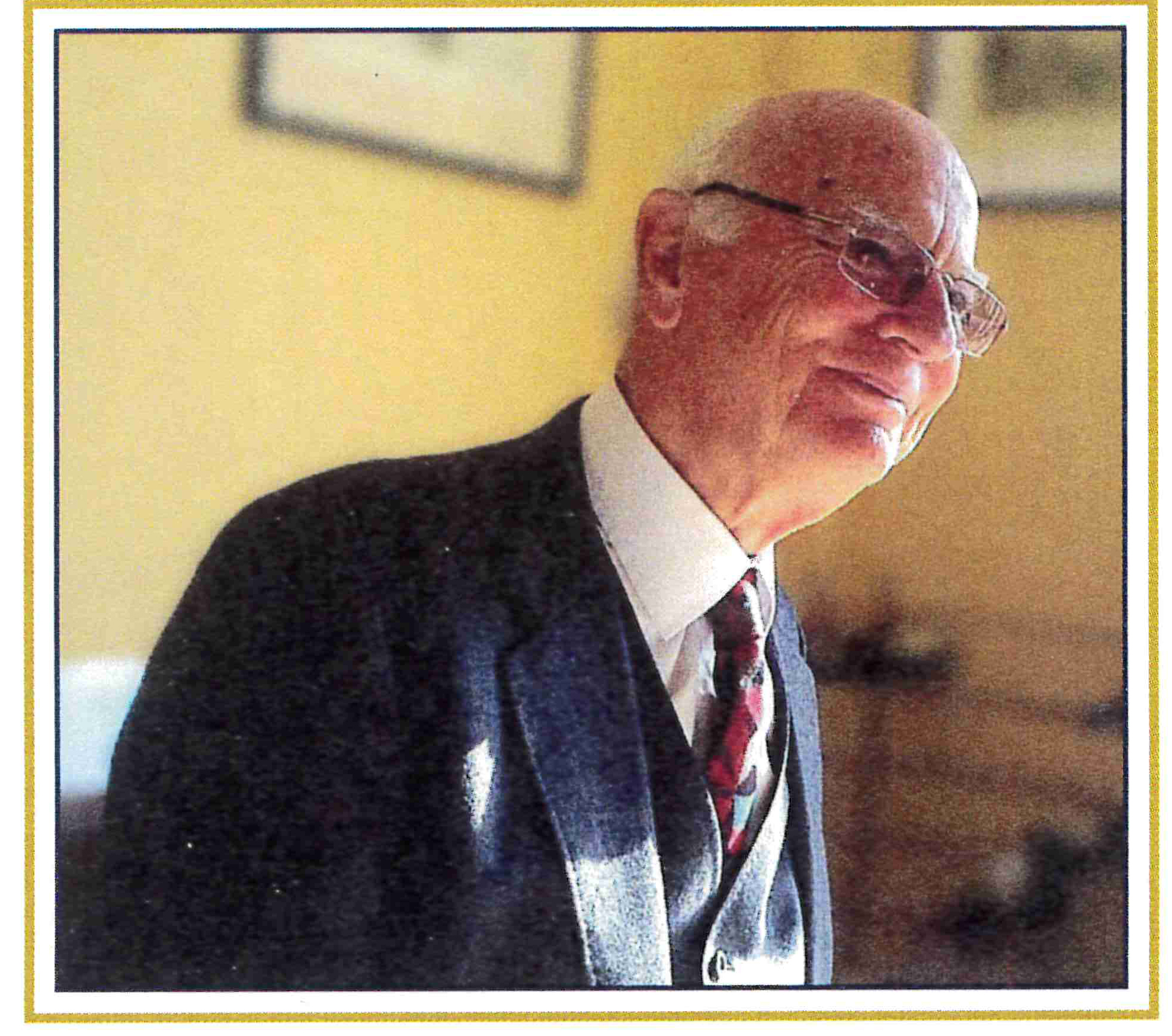 24.4.1939 - 3.1.2026 Richard's early childhood was spent in India with his parents, younger sister and brother. They lived in Bombay but in the hot weather escaped to the hills of Kashmir. He attended Sheikh Bagh School in Srinagar as a boarder. This was a wonderful school set up by Eric and Phil Tyndale-Biscoe for boys who could not return to England due to the war.
In 1946 the family sailed home and lived near Bath. Richard entered the junior school and progressed through the senior school. He loved Monkton and the friends he made there have been friends for life. Rowing, drama and the art room held special memories.
On leaving school he was articled to a firm of accountants in Sheffield. He qualified as a Chartered Accountant and in 1963 went to Iran with Coopers and Lybrand. He made the most of his time there visiting different regions, speaking Farsi and mixing easily with people. Richard married Sheila in 1965 and with their two young children returned to Iran. This contract ended due to political troubles.
The family settled in the country near Maidenhead with Richard working in the city for many years. He was a countryman at heart and enjoyed hill walking, beekeeping, his garden, geese and Staffordshire bull terriers. He was involved in local affairs as well as all the usual family commitments.
In retirement Richard led an active and adventurous life. He completed a course in Oxford on vernacular architecture, moved to Marlborough, travelled in Asia and had many camping trips around Europe with Robert Cowen - an OM friend. He immersed himself in many aspects of Marlborough life and was especially helpful in the restoration of The Merchant's House.
He leaves a sister, a son, a daughter and three granddaughters. |
| Bruce Sinclair, OM 1957 |
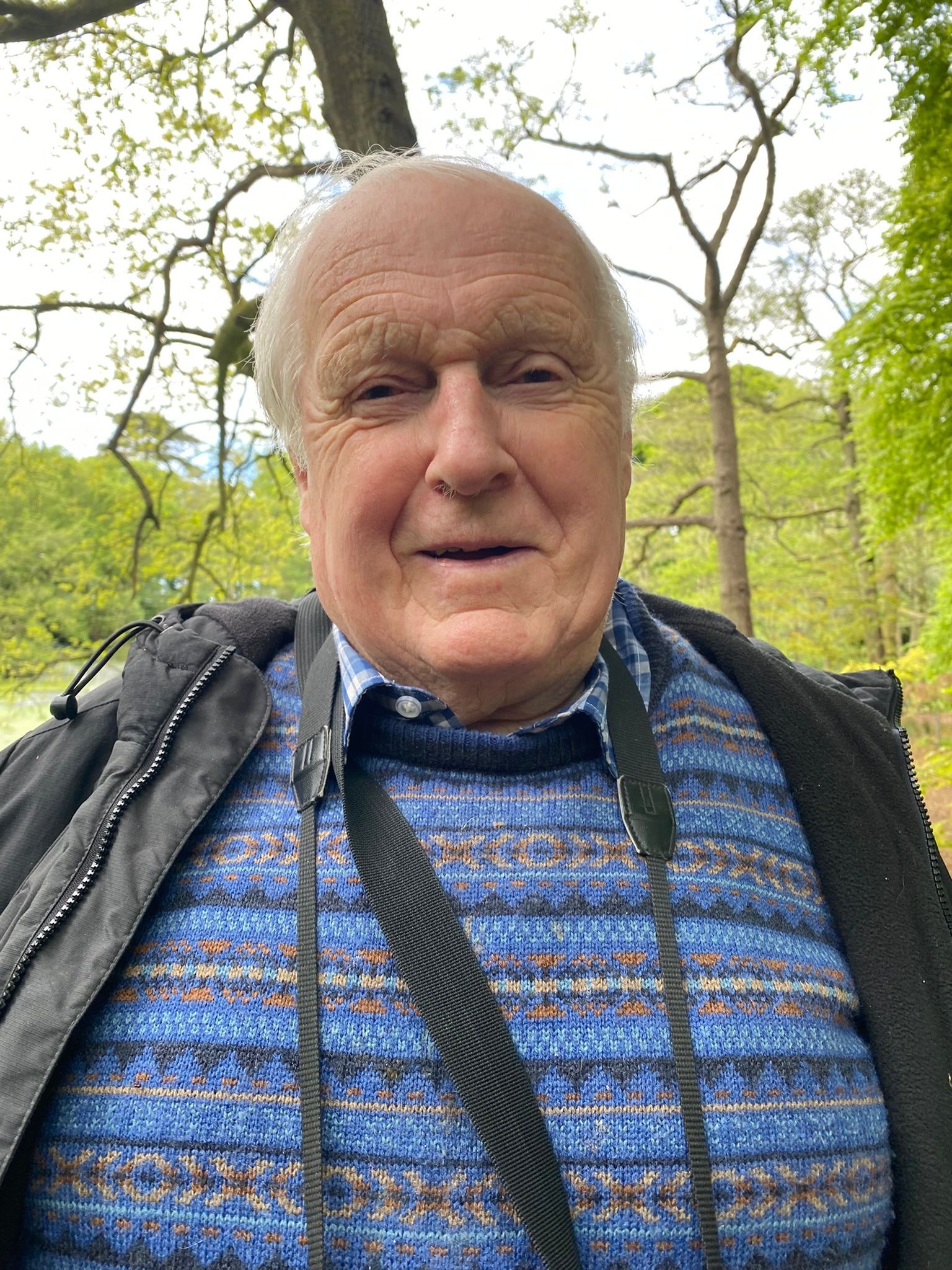 My brother Bruce Gordon Sinclair was born 16th April 1939 and died on 29th January 2026 of leukaemia. He was born in Lewes Sussex and died in Leyland Lancashire where he had lived for most of his adult life. He was at Monkton for 4 years from 1952-1956, where he had a sound evangelical Christian education which formed the basis of his life. In particular in his final years at Monkton he was responsible for the services at Conkwell Chapel. When he left Monkton he intended to enter the Anglican ministry but while at Durham University, reading English he was advised that his talents would be better used in teaching in State schools. After leaving Monkton he spent a year gaining practical experience working at the Metal Box Company and a departmental store in Hull. After receiving his degree from Durham University, he spent a year with VSO teaching at the Police National Training College in Kenya. After this he held several teaching posts, finishing his career as Deputy head of Bishop Rawthorn Church of England High School near Leyland in Lancashire. After taking early retirement he devoted his life to serving in various capacities at St Andrews Parish Church Leyland. His service was recognised by the two hundred parishioners and friends who attended his Thanksgiving Service there in February 2026. He is survived by his wife Carol who also was a teacher, his 2 daughters and son and 5 grandchildren. Ian Sinclair, OM 1953
|
| Tiffany Ng, OM 2013 |
It is with deep sadness that we share the news of the passing of Tiffany Ng, who was a member of our Monkton community during the 2012-2013 academic year as an international student in Lower Sixth. She was a boarder in Nutfield, and felt very welcomed by her house parents Rachel & Andy Glasgow. Tiffany passed away unexpectedly in early February from a bleed on the brain while on a snowboarding holiday with friends in Japan. Those who knew her during her time boarding with us will remember her warmth and the spirit she brought to our community during the year we shared together. A funeral service with Mass was held for Tiffany on Saturday, 14th February in Hong Kong. We extend our deepest condolences to Vitus and all who knew and loved Tiffany. Though her time with us was brief, she remains part of the Monkton family. May she rest in peace. |
| Roger Young OM 1961 |
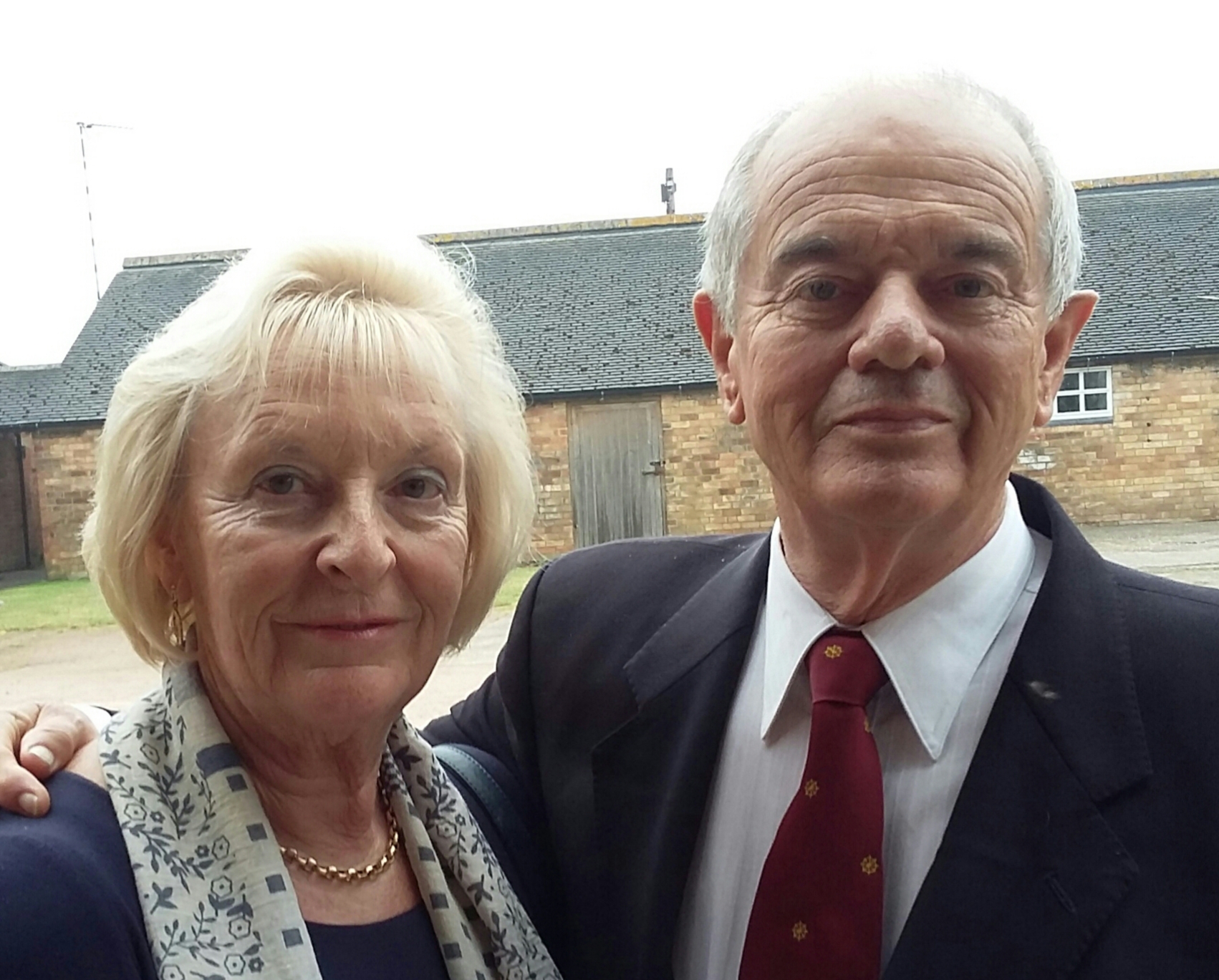 Roger passed away on the 18th June 2025 in Christchurch, New Zealand. He was a much loved husband, father, grandfather and great grandfather. Prior to joining Monkton, Roger attended Walton Lodge, Prep School, Bath. He then joined "Perkins", in Peterborough, UK for 2-3 years. Roger had several maiden aunts including Miss Amy Flint who founded Clarendon School in Malvern. In 1978 Roger, his late wife Elaine and 3 sons, Richard, Adrian and Peter immigrated to Christchurch NZ, Roger took up a position in engineering at the New Zealand Agricultural Engineering Institute, at Lincoln University, near Christchurch where he joined the mechanical engineering section of the New Zealand Agricultural Engineering Institute, located at Lincoln University. 40 years later the machine, still cloaked in trade secrecy by the company to which it is licensed, processes six additional brome grasses, with a large proportion of production being exported to Australia and the United States. Roger was also involved in the design of fruit harvesting and processing machines which played an important role in setting the stage for an industry that now provides a substantial portion of New Zealand's export earnings. Dr Peter H John, B.Eng. (Hons), Ph.D. (Wales) Roger married Shirleyann Goodman Young and they had a very blessed 20 years together. They traveled widely and ran a small hobby farm growing Olives, a variety of fruit and nut trees for their own and family consumption. |
| Robert Cowen, OM 1953 |
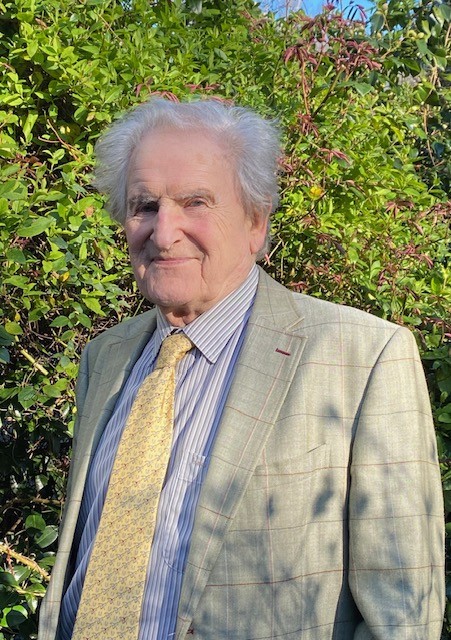 Robert Norton Cowen was born in Richmond, Surrey, the youngest of three children. As a small boy during the war, he witnessed the bombing of his neighbour’s house which instilled in him at an early age his unwavering philosophy for living life to the full. He was educated at the Mall School, Twickenham followed by three years at Monkton Combe. Despite his relatively short tenure, the school clearly made a favourable impression on him as he had an inexhaustible supply of stories from this time - not least his fondness for fishing for wild brown trout in the stream and finding new ways to dodge cross country running! He went on to study Engineering and undertook his National Service in the RAF based near Andover. At the age of 21, his father died unexpectedly and he found himself with the responsibility of managing the family motor trading business in London. He relished the social interactions this position afforded and a chance meeting led to him becoming involved in supplying classic cars to the film industry, resulting in numerous adventures across Europe on sets including Monte Carlo or Bust! and The Pink Panther. In 1969, Robert married Sheila Kinsella and they moved to a cottage in the woods near Dorking, Surrey where he remained for more than fifty years. Alongside raising a family, here he was able to indulge his passion for nature (in particular, butterflies and moths), cycling and pottery. He loved music - playing saxophones, attending jazz concerts and for many years driving the English Chamber Orchestra’s tour bus. Throughout his life he enjoyed camping trips on the continent, with Grindelwald in Switzerland being a favourite destination. In latter years, he teamed up with fellow OM, Richard Shaw, for annual jaunts with his trusty folding caravan in tow.
Robert never lost his energy and enthusiasm for life - in 2022 he moved to Warnham, Sussex and frequented numerous clubs, such as Speakers, Military History and various Mechanical Musical Instrument societies. A voracious reader and jovial raconteur, his unfailing sense of humour and generosity of spirit were with him to the end.
He is survived by his two daughters, Alexandra and Elizabeth, and four grandchildren.
Born 20 January 1937, died 2 June 2025
|
| Mathew Kazoora OM 1981 |
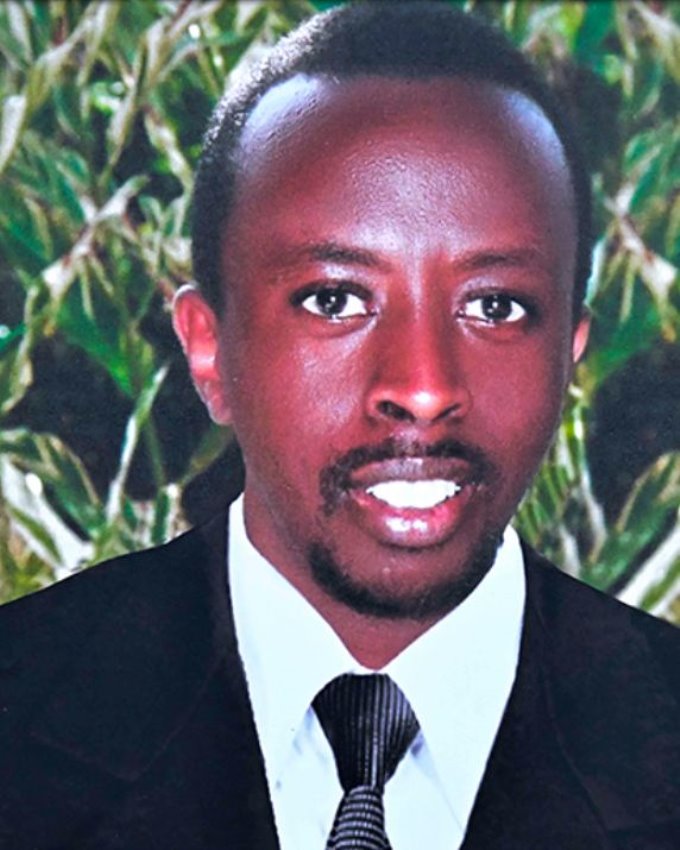 Mathew sadly passed away in October 2025. A much loved contemporary of his Monkton cohort below are some tributes to him that we have received: Dan Reynolds OM 1981 has said the following: “It was a great experience and honour to share a Kearns Block study with MK in my Lower Sixth year. My lasting memory of him was his passion and deep knowledge of modern music - whilst I was like a rabbit in the headlights with it! He educated me and gave a lifelong knowledge of great songs and bands for which I will be forever thankful. I think of him often to this very day when an old master is broadcast. M was a very popular peer, loved by us all. I miss him.” My thoughts and memories of Mathew: “I am very sad to see that Mathew K has died. For a long while, I had been trying to re-connect with him. Then, a lot of news concerning his passing and funeral appeared on the internet, with tributes coming from the Ugandan President and Vice-President. He was a proud but private Ugandan. His family stood up to the dictatorial regimes of the time. This obviously put pressure on Mathew, but he did not complain. His humour won the day. Mathew was, in fact, one of the funniest people I’ve ever met. He was always laughing wildly at something. He was a very kind and thoughtful man, who often checked-in to see how people were doing. Another colleague reminded me that he was an enthusiastic supporter of the school’s sports’ teams, often leading and encouraging the chants in support of the 1st XV on Longmead. After Monkton, we remained in touch for a few years, but then our lives went different ways and we lost touch, very sadly. He left us way too young.” Neil Burns, OM 1981 |
| Mike Clarke OM 1958 |
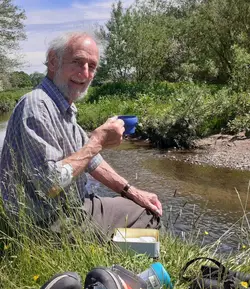
Mike went on to study German at Bristol University and spent two terms at Wurtzburg University, followed by a year of VSO in Nigeria. He then returned to his home city of Manchester and was asked to join the teaching staff of his former prep school in Didsbury, Moor Allerton. Despite having very much fallen into the role, Mike was a natural born teacher, combining an enormous sense of fun with an easy ability to engage and enthuse pupils. He particularly enjoyed teaching natural sciences and bible studies. Having been a Crusader since childhood (the class originally having been held at the family home), he also became a leader when he returned to Manchester, and continued to run a class for the next forty years. In 1968 Mike bought his first home in Didsbury, and the same year, met Christine Gott at St Mary’s Church in Cheadle. Sharing a keen interest in the countryside and a strong Christian faith, they were good friends for years. They also worked next door to each other, Christine acting as Matron of the mother and babies home next door to Moor Allerton. In 1979 Mike finally came to his senses and asked Christine to marry him. Within two years they became parents of twins, Deborah and Andrew, who also attended Moor Allerton. Sharing a love of wild places, the family spent a lot of time walking in the hills of the Peak District and the Lake District, and developed a lifelong connection with the west coast of Scotland, in particular the beautiful Isle of Mull. Its wildlife and natural beauty were full of wonder for Mike and, characteristically, he never failed to find something exciting to observe. He contributed a huge sense of fun to family life, and holidays were full of games, excitement and Mike’s epic sandcastle structures, which he loved watching being destroyed as the tide rolled in. By the time he married, Mike was attending Emmanuel Church, a lively, evangelical C of E church in Didsbury. Mike & Chris were always the first to welcome new arrivals to the church, and in recent years were particularly supportive of the growing Iranian church community, having folk round for meals and taking them out to discover the local countryside. Mike also ran the church’s Pathfinders youth group for many years. Through his dynamic and energetic teaching and youth work, Mike had an enormous impact on the lives of many hundreds of children and young people in South Manchester, cultivating a love of nature and of Jesus. Mike remained at Moor Allerton School his entire working life, having become Headmaster in 1980. He biked to work every day, and was a familiar sight to Didsbury residents in later years as one of its oldest cyclists. He retired in 2000, and with Christine, walked for miles in the Peak District and kept one of the neatest and most productive organic allotments in South Manchester. In his final decade, the allotment became his pride, joy, and happiest place, and he was digging it (and still cycling there) until a few weeks before his death in early September. He died peacefully of heart failure after a short hospital stay, during which he retained the warmth, optimism and sense of fun that were so central to his character. He is enormously missed by his family and all who knew him. |
| Jerry Ovens OM 1977 |
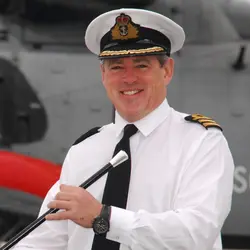 Jerry Ovens (MCS School House 1972–1978) (Commander RN – Retired) Many of his contemporaries will be deeply saddened by the news of the death of Jerry Ovens (59), who passed away on 30th April 2025 after a short illness. One of life’s great characters, Jerry thrived at Monkton Combe School, particularly in Mathematics under the guidance of Jules Bewick. He was a committed sportsman, part of an unbeaten rugby team coached by Pete Sibley, and a member of the 1975 Junior Colts VIII that triumphed at the National Schools Regatta. He served as Senior Prefect before going on to study Aeronautical Engineering at Bristol University (1978–1981). The son of Major General Patrick Ovens, Royal Marines, Jerry was determined from an early age to pursue a career in the Armed Forces. He joined the Royal Navy in 1978, serving with distinction in the Pacific, Atlantic, Caribbean, and Baltic theatres. His roles included anti-submarine warfare at RNAS Culdrose, Instructor and Senior Observer with 706 Naval Squadron, Commanding Officer of HMS Quorn (Rosyth and Portsmouth), and Operations Officer aboard the aircraft carrier HMS Illustrious, including attending the handover of Hong Kong. He later served as a Tactical Training Group Instructor to the United States Navy in Virginia at the time of the 9/11 attacks, and returned as Commander and Executive Officer at RNAS Culdrose, where he oversaw the arrival of the Olympic Flame in 2012. Among his many career highlights, Jerry was awarded the Queen’s Commendation for Valuable Service for training a GR7s RAF Harrier Squadron from its arrival on a carrier to conducting night bombing raids over Iraq in just four weeks. He also played a key role in securing degree accreditation through the Open University for Pilots, Observers, Aircrewmen, and Air Traffic Controllers on completion of their training. A lifelong aviation enthusiast, Jerry delighted in flying and engineering — including homemade hovercrafts, rockets, and remote-controlled aircraft. He had a deep passion for paragliding, flying not only in Cornwall but around the world until late 2024. He competed with Royal Navy teams and served for a time as Chairman of the Royal Navy Gliding and Paragliding Association. He enjoyed a happy and adventurous marriage to Sandy, blessed with two children, Lowenna and Jack, both of whom gained degrees from Oxford University. Together they embraced life’s adventures including placements in America and Italy and travelling extensively as a family; they shared a passion for wildlife (whether in Africa, the Galapagos Islands or Cornwall) and the environment. Sandy passed away in 2024 after a long illness, staying active to the end. Jerry remained close to many Monkton contemporaries, including Chris Batstone, Joe Grimwade, and Dave Marr (with whom he also shared naval service). Jerry is survived by Lowenna & Jack, as well as his two older sisters, Sarah and Joanne, and their families. |
| John Knowles, OM 1962 |
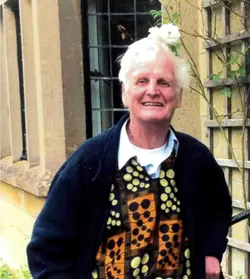
John died from pulmonary fibrosis. He was under the umbrella of Dorothy House Hospice for his last few months, although he remained at home, as he desired. He died peacefully with all his family around him. He remained cheerful, and confident of his faith and God to his death. We trust he is now in heaven with Father God. He will be greatly missed by family, friends, and the local church as a kind and generous, faith-filled man. |
| Lyn Alvis, Hon OM |
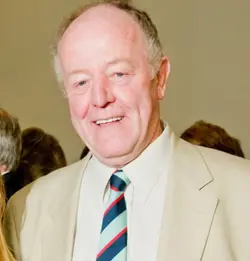
Many pupils will also remember him as a talented coach on the sports field. He led senior teams to success in both Rugby and Hockey, bringing technical expertise, a dry sense of humour and a quiet determination to achieve, which allowed his teams to give of their best whilst simultaneously enjoying the sporting experience to the full. Lyn was also an integral part of many sports tours including trips to the Netherlands and Portugal. Pastorally, he was first attached to Grove House which was at that time a boys’ house. He was a thoughtful and helpful personal tutor and for a short period stepped into the Housemaster’s role whilst Peter Sibley was on an exchange visit. He, too, could not turn down the opportunity to experience an alternative education system and enjoyed spending time on two occasions teaching at King’s School, Paramatta, Sydney. In later years he became a valued member of the School House team. Amongst the many other roles that he embraced over 33 years, he could be found liaising with local charities, heading up links with local industries, organising the annual prize giving ceremony and even efficiently supervising the somewhat thankless task of getting some 340 demob happy pupils onto coaches for end of term Commemoration and Carol Services in Bath Abbey! A role of which many of his pupils will probably not be aware was that of Chairman of the Staff Common Room, and he was much appreciated by generations of staff who valued his quiet assistance and incisive analysis where this was required. His sense of service extended well beyond the School’s boundaries, however, and he was an important member of the village community, serving on the Parish Council, maintaining a watchful eye on local affairs and ensuring that matters of import were fully raised for discussion in the Wheelwright’s Arms. This was also where he would regularly meet with Peter Marsden and Peter Sibley, you could set your clocks by them, and this practice continued well into retirement when they switched their allegiance to the Hadley Arms! Lyn was a wonderful man and a great gentleman and will be sadly missed by all: former pupils, staff and local community. We offer our heartfelt condolences to Rosemary and Suzie. Tribute by: David Merricks Hon OM & Martyn Garrod Hon OM |
| Tessa Moriarty, Hon OM |
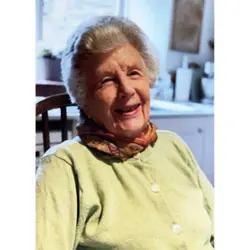
She was always interested in language and had a good knowledge of French and German as well as English grammar. Solecisms in the newspapers and other media were gleefully pointed out. Much of her teaching was done through conversation and Tessa enjoyed talking about a wide range of topics including politics and philosophy as well as her beloved Thomas Hardy novels. She sometimes complained that Monkton staff would only discuss rugby and cricket. In later years she joined the English Department to teach mainstream English and some GCSE classes. She continued to teach the foreign pupils and took a special interest in how they were coping with life outside their native countries following up any cause for concern insistently. She really cared about the people she taught. Towards the end of her career she taught at Monkton Prep School also. Then after retirement she had the spirit and empathy to give lessons in HM Prison Service, on one occasion taking in the film The Shawshank Redemption, which is about an escape of course. Pupils will remember Tessa for her lively teaching and staff will think of her humour and fund of amusing stories from her time at the BBC and elsewhere. |